Two Generations of Basements
Warren's older housing comes in two main waves. The prewar homes, about a quarter of the occupied stock, went up in 1939 or earlier. The postwar homes of the 1940s and 1950s make up the largest group, nearly 4 in 10. Both sets of basements were built before modern waterproofing, which means most of them were designed to carry the house and not to keep out water.
The practical effect is that a damp or wet basement is common in both. The question is how much water, where it enters, and which fix suits the wall.
Why Old Foundations Leak
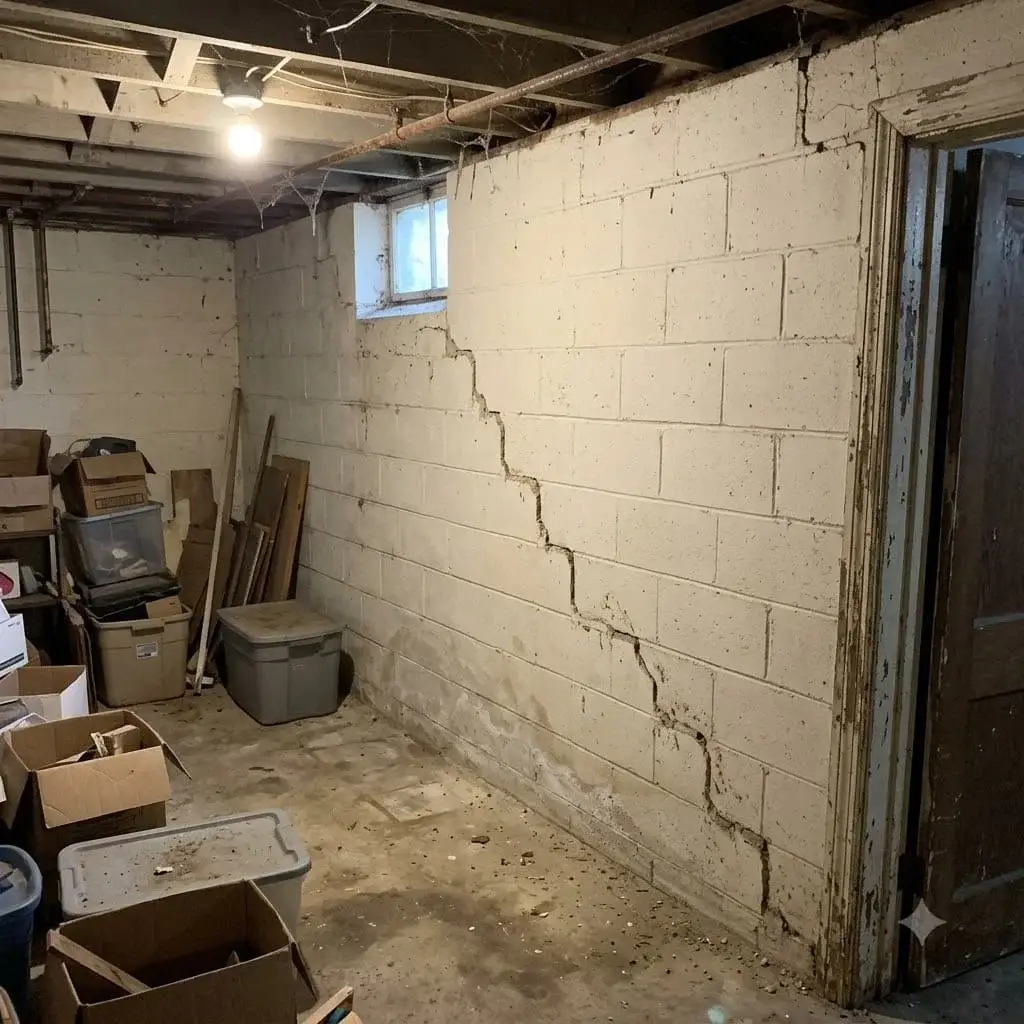
Older foundations let water through at their weak points. The mortar joints in block and stone walls absorb water and erode with age. The seam between the wall and the floor is an easy path for groundwater. Cracks open as soil pressure and freeze-thaw work on the wall for decades. Without a membrane or a working drain, water pressing on the outside of the wall has nowhere to go but in.
The Drain Tile Problem
Older homes often have clay drain tile around the footing, a ring of short clay pipes meant to carry groundwater away from the foundation. Clay tile silts up and cracks over the decades, and a drain that fails leaves the water it used to carry sitting against the wall. A basement that stayed dry for forty years can start taking on water because the drain outside quietly stopped working.
What the Local Soil Does to an Old Wall
The soil makes it harder. Northeast Ohio's ground formed in glacial till, and the USDA describes the Ellsworth series, a widespread till soil in northeastern Ohio, as having a subsoil that is 35 to 45 percent clay, with a perched water table 11 to 24 inches below the surface from November to May in most years. Clay holds water, and the Warren area gets about 41 inches of precipitation and about 28 inches of snowfall a year, so the ground around a basement stays wet for much of the cold season.
Winter then works on the walls. Water in a crack or mortar joint freezes and expands, opening the gap a bit more each year. A wall that was merely damp a decade ago can be leaking steadily now.
Common Signs in an Older Basement
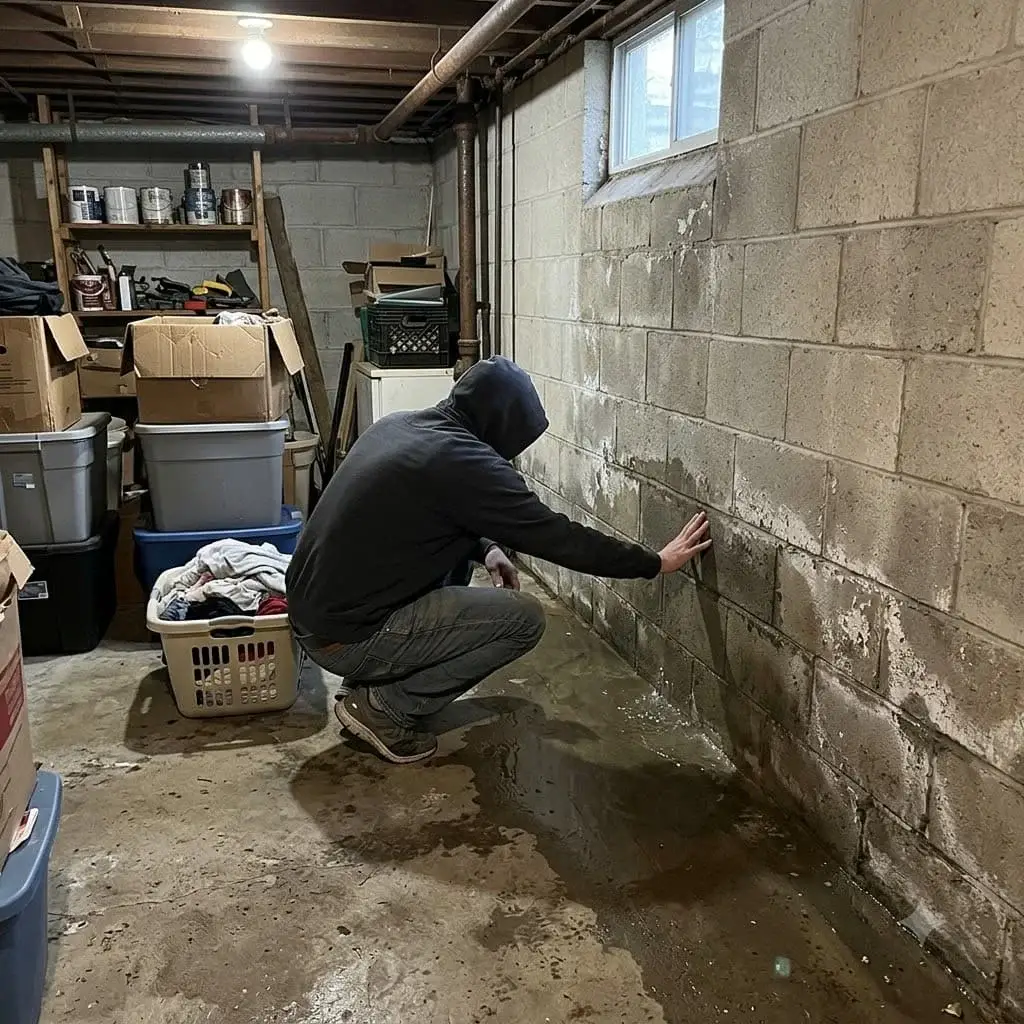
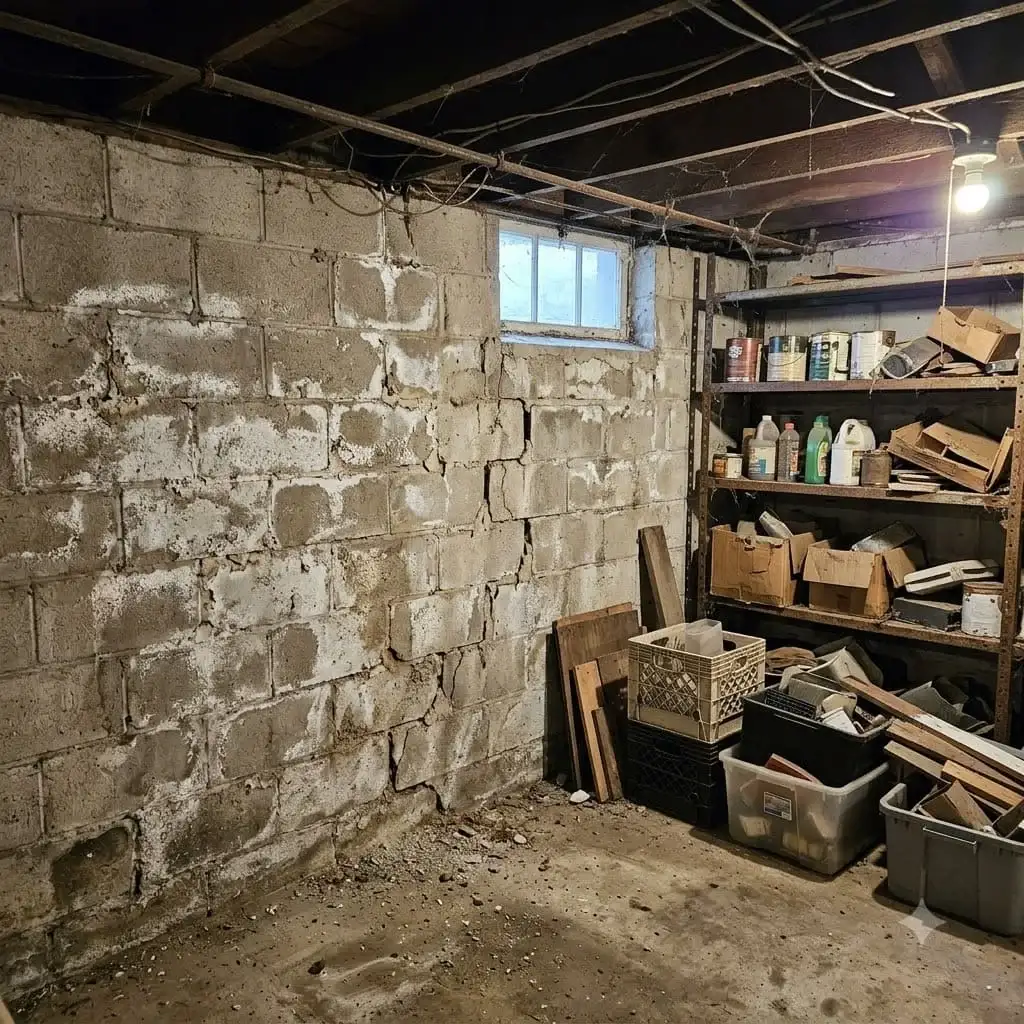
Moisture in an older basement shows up in a few recognizable ways. White, chalky residue on stone and block, called efflorescence, marks where water has moved through and left minerals behind. A musty smell points to humidity soaked into porous masonry. Damp patches, a tide line along the base of the walls, crumbling mortar, and standing water after storms tell the same story. None of them means the house is failing. They mean an old foundation is doing what old foundations do, and the water needs managing.
What Works on an Older Foundation
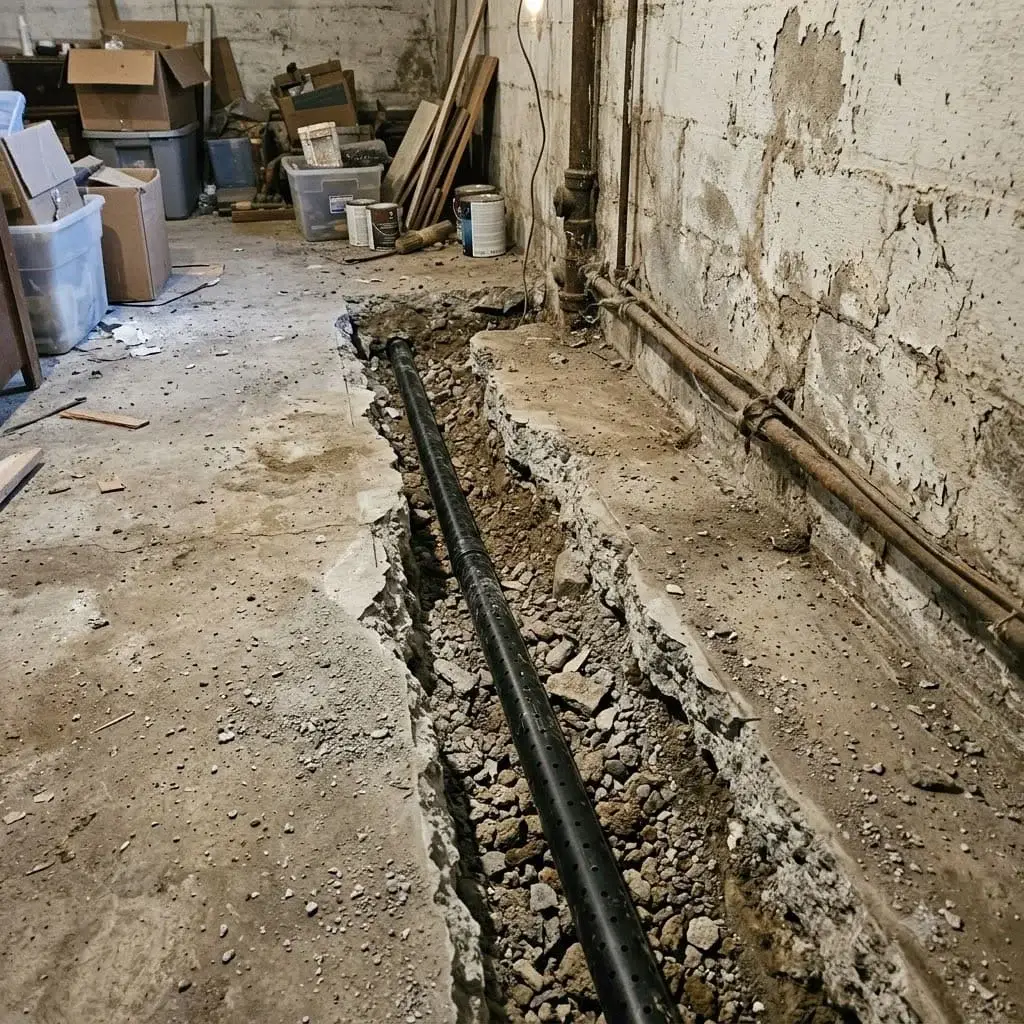
Managing water in an older basement means routing it, not coating it. Waterproofing paint and surface sealers fail on stone and block, because they can't relieve the pressure behind the wall. What works is interior drainage with a sump pump, which collects water at the footing and pumps it out no matter how porous the wall is, and doesn't depend on old clay tile. A dehumidifier deals with the humidity absorbed by old masonry. Walls that have started to bow or crack call for structural repair, and walls that leak across their whole face, or a failed footing drain, may call for exterior waterproofing.
Frequently Asked Questions
Why does my old Warren basement smell musty even when it's dry?
Humidity soaks into porous stone and block even without standing water. Old masonry holds moisture, and through a humid Ohio summer that moisture evaporates into the basement air and feeds mold and mildew. A drain handles liquid water, but the musty smell comes from vapor, which a dedicated dehumidifier removes by holding the relative humidity low.
Can a stone foundation be waterproofed?
A stone foundation can be kept dry, though not by coating it. The uneven surface and absorbent mortar joints make surface sealers fail, since they can't bond to the stone or relieve the pressure. The effective approach is an interior drainage system that collects water at the base of the wall and pumps it away, which works however porous the stone is.
Is a damp basement normal in an older Warren house?
It's common, because most older Warren houses were built before modern waterproofing, with block or stone foundations that were never sealed. Dampness is what those walls do when the clay-rich ground around them is saturated. It's expected, though it isn't something you have to live with. Interior drainage and dehumidification can keep an old basement dry and usable.
How can I tell if the clay drain tile around my house has failed?
Failed drain tile usually shows up as a basement that began taking on water after years of staying dry, often at the floor-wall seam after heavy rain. The tile is buried around the footing, so you can't see it from inside. A camera inspection or excavation confirms its condition, and you don't need to know for certain to fix the problem, because interior drainage collects water at the inside of the footing and doesn't rely on the old tile.
Will fixing a wet basement increase my home's value?
Fixing a wet basement protects a home's value and can improve it by removing a problem that buyers and inspectors flag. A dry, usable basement adds functional space, and it prevents the water damage, mold, and wall movement that lower value over time. In an older home, a documented waterproofing system is a selling point.