
Services
Exterior Basement Waterproofing in Warren, OH
Exterior basement waterproofing in Warren, Ohio seals and drains a foundation from the outside, digging down to the footing so the wall is protected before water ever reaches it. With about 63% of Warren's occupied homes built before 1960, many foundations here have spent decades against wet, clay-rich ground, and exterior work is the option that deals with the water at its source. Call 330-642-8514 to reach a local provider.
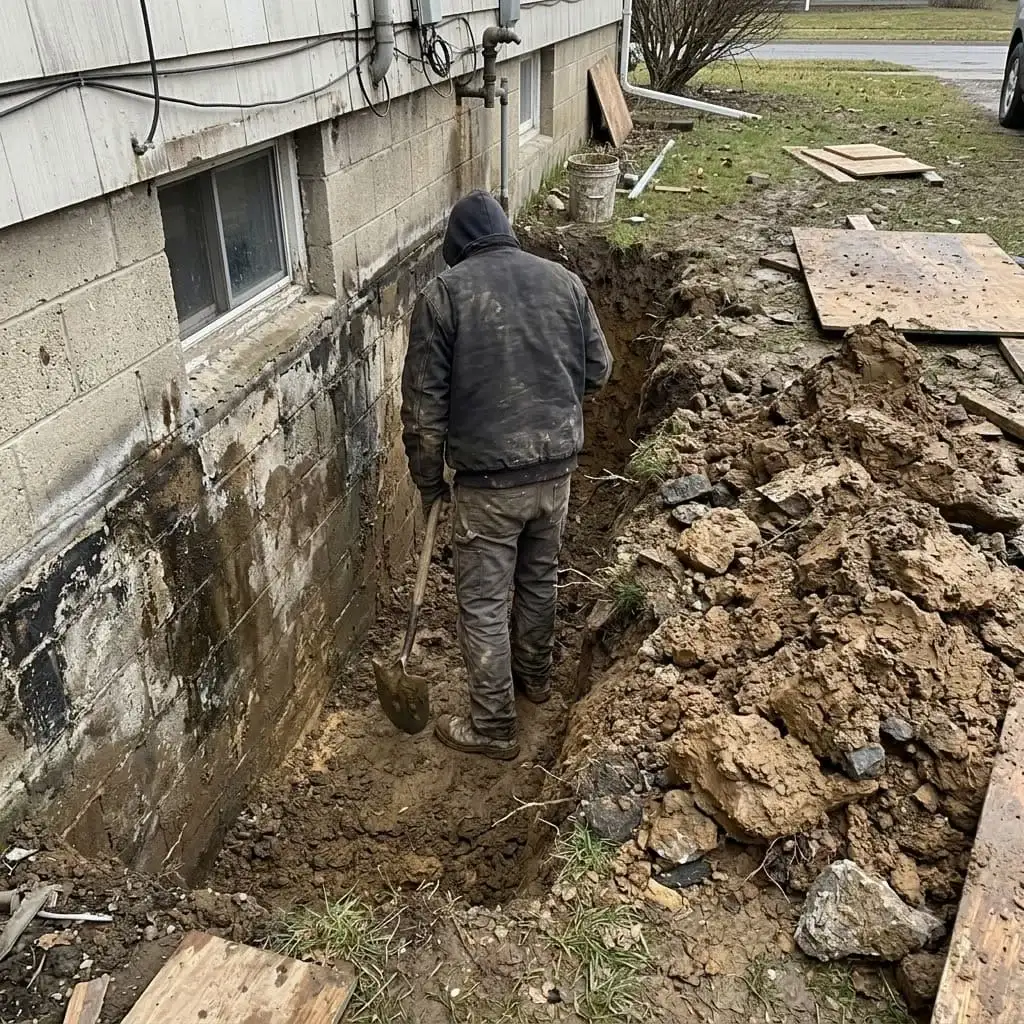
Exterior waterproofing is the biggest job in basement work, and it is not the right call for every wet basement. It fits walls that leak across much of their face, foundations whose original drain has failed, and homes where water pressing against the outside of the wall is the problem to stop. An inspection tells you whether the water needs to be dealt with outside, inside, or both.
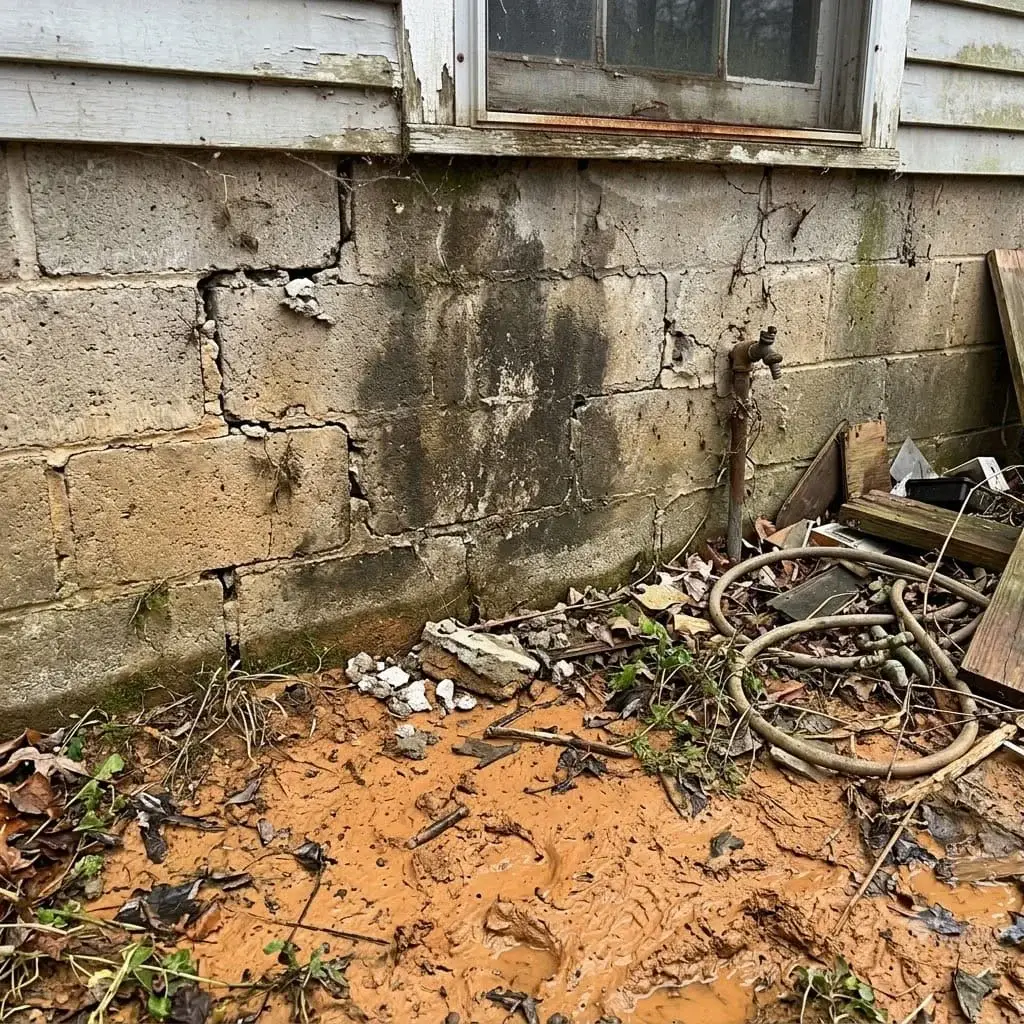
How a Foundation Is Waterproofed From the Outside
Waterproofing a foundation from the outside follows a set order. First, the ground along the foundation is excavated down to the footing, in sections so the house stays supported. Second, the wall is cleaned and its cracks, holes, and failed mortar are repaired. Third, a waterproof membrane goes onto the clean wall and gets covered with a drainage board that lets water run down instead of building up against the wall. Fourth, a new perforated drain is set at the footing in gravel, sloped to a discharge point. Finally, the trench is backfilled with free-draining material and regraded so surface water heads away from the house.
The membrane keeps water out of the wall, and the drain carries away what the soil sends toward it. Together they take the pressure off a foundation that has had it for decades.
When Exterior Waterproofing Is the Right Choice
Exterior waterproofing is the right choice in a handful of situations. A wall that leaks across its whole face, not just at one crack, points to water pressing on the outside. A failed or missing footing drain leaves groundwater with nowhere to go. A foundation with deep cracks or damaged mortar benefits from repair and sealing from the outside, where the damage started. And a house that is about to have its basement finished is worth sealing properly from the outside first.
Where water mostly collects at the floor-wall seam, interior drainage and a sump pump often does the job with less disruption. A good provider says so rather than selling the bigger job.
Why Warren Foundations Need It
Warren sits in the Mahoning River valley, on northeast Ohio glacial till. The USDA describes the Ellsworth series, a widespread till soil in northeastern Ohio, as having a subsoil that is 35 to 45 percent clay and a perched water table 11 to 24 inches below the surface from November to May in most years. Clay holds water against a foundation, and the wall carries that load for months at a time. Older homes feel it most, since about 23% of occupied homes in Warren were built in 1939 or earlier and about 40% in the 1940s and 1950s.
The river adds its own history. In March 1913 the Mahoning River wrecked much of downtown Warren, and the Flats on the southwest side was hit especially hard. A foundation near the river deals with high ground water on top of the soil, which is one more reason the inspection covers the site and not just the wall.
What Digging Involves
Digging along the foundation disturbs the ground around the house, and it is fair to know what that means before agreeing to it. The trench runs along the foundation, so plants, walkways, and decks along that wall may need to be moved or restored. A porch, steps, or an attached garage can make the dig more complex. Whatever is in the way should be walked at the inspection so the plan and the scope account for it. Freezing weather can pause the work, since frozen ground cannot be excavated.
What to Look for in a Provider
- Warren-specific experience. The plan accounts for Trumbull County's soil, the river valley, and older foundations.
- An inspection before a method. The wall gets checked across its face, and the grade, downspouts, and obstacles outside get walked, before any excavation is scoped.
- A written scope of work. The scope names the membrane and drainage board, the length and depth of wall excavated, the new footing drain, and the backfill and regrading.
- Restoration in writing. The scope says what happens to landscaping, walkways, and decks along the trench.
- Proof of insurance. Ohio licenses the electrical, plumbing, and HVAC trades at the state level, not basement waterproofing, so general liability coverage, workers compensation, and any local contractor registration are what to verify.
- Only the work the house needs. If interior drainage is enough, a provider should say so.
Work is performed by independent professionals. Permit rules differ between the City of Warren and the surrounding townships, so the local building department requirements are confirmed before work starts.
Frequently Asked Questions
How long does exterior waterproofing take?
Most exterior jobs on a Warren home take several days to a week or more, depending on how much of the foundation is excavated and on the weather. Digging, wall repair, membrane, drain, and backfill all take time, and rain or frozen ground can pause the work. A schedule that reflects the scope of the house should come out of the inspection.
Is exterior waterproofing better than interior?
Neither is better in every case, because they solve different problems. Exterior waterproofing stops water at the wall and suits walls that leak across their face or foundations with a failed drain. Interior drainage collects water that has reached the floor joint and is less disruptive. Many Warren homes do well with interior drainage, and an inspection decides which one the foundation needs.
Will my yard or landscaping be damaged?
Digging along the foundation does disturb the ground, so landscaping, walkways, and other items along that wall may need to be moved or restored. The site should be walked at the inspection so the plan and scope reflect what is in the way. The trench gets backfilled and regraded when the work is done.
Can exterior waterproofing be done in winter?
Exterior waterproofing is limited by frozen ground, because soil that is frozen solid cannot be excavated. Milder stretches often allow it, but winter is when interior drainage fits better. If the work has to wait for spring, an interior fix can protect the basement in the meantime.
Does exterior waterproofing fix a bowing wall?
Exterior waterproofing relieves water pressure and seals the wall, but it does not push a bowed wall back into place. A wall that has already moved needs structural repair, such as wall anchors or carbon-fiber straps. Taking the water pressure off the wall helps keep it from moving further, which is why the two are sometimes done together.
Will exterior waterproofing stop all water in my basement?
It removes the outside water pressure that causes most leaks, but a basement can take on water other ways too. Water can rise through the floor, enter at window wells, or come from plumbing. Each source has to be traced at the inspection so the plan covers every one. Where water also collects at the floor seam, exterior work gets paired with an interior drain.
Call Now for Exterior Waterproofing in Warren
For exterior basement waterproofing in Warren, call 330-642-8514 to reach a local provider. See the contact page or the full service area.