
Services
Basement Wall Repair & Foundation Crack Repair in Warren, OH
Basement wall repair in Warren, Ohio covers sealing the cracks that leak and stabilizing the walls that have started to move. About 63% of Warren's occupied homes were built before 1960, and decades of wet, clay-rich soil pressing on those foundations is a common reason walls crack and lean. Call 330-642-8514 to reach a local provider.
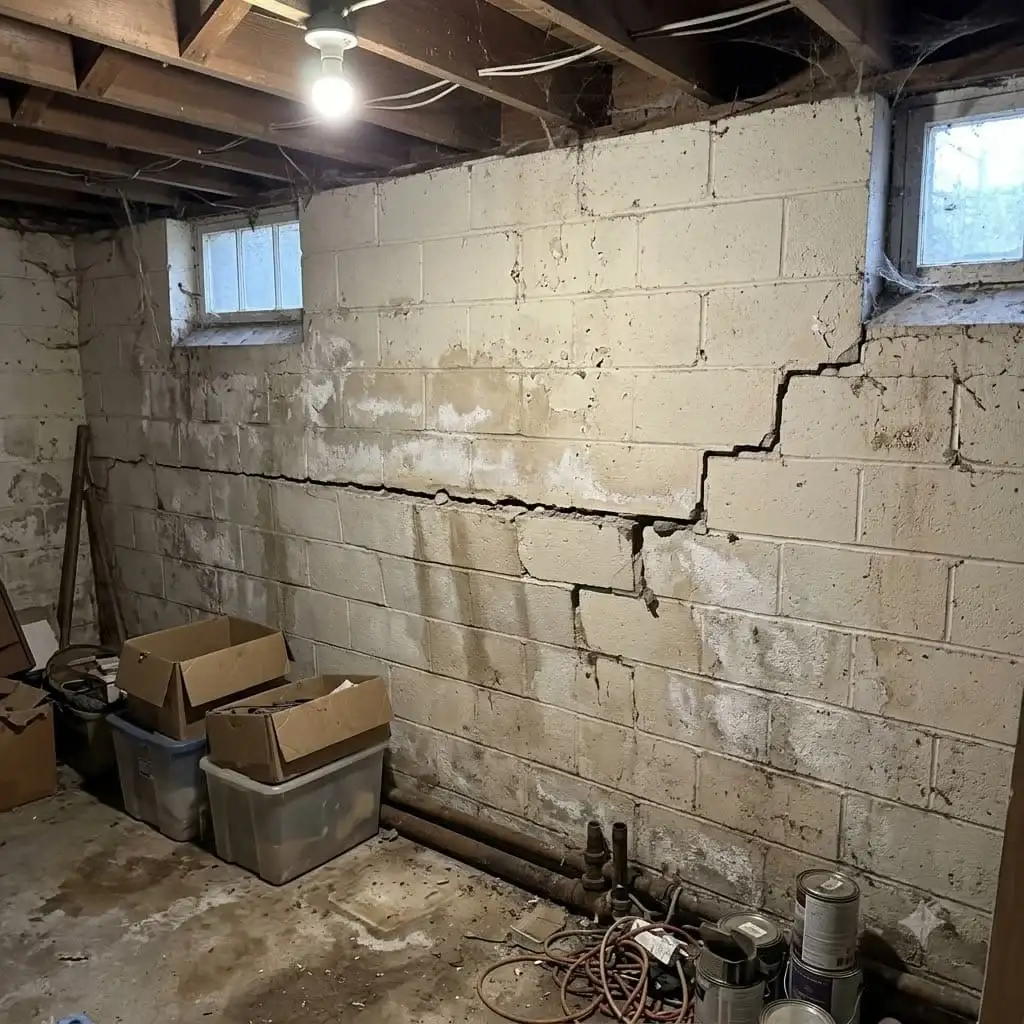
A crack in a basement wall can mean different things. Some are cosmetic shrinkage lines that never move. Others are the first sign that soil and water pressure are pushing the wall, and a wall that is moving needs more than a patch. The first job is finding out which kind a wall has.
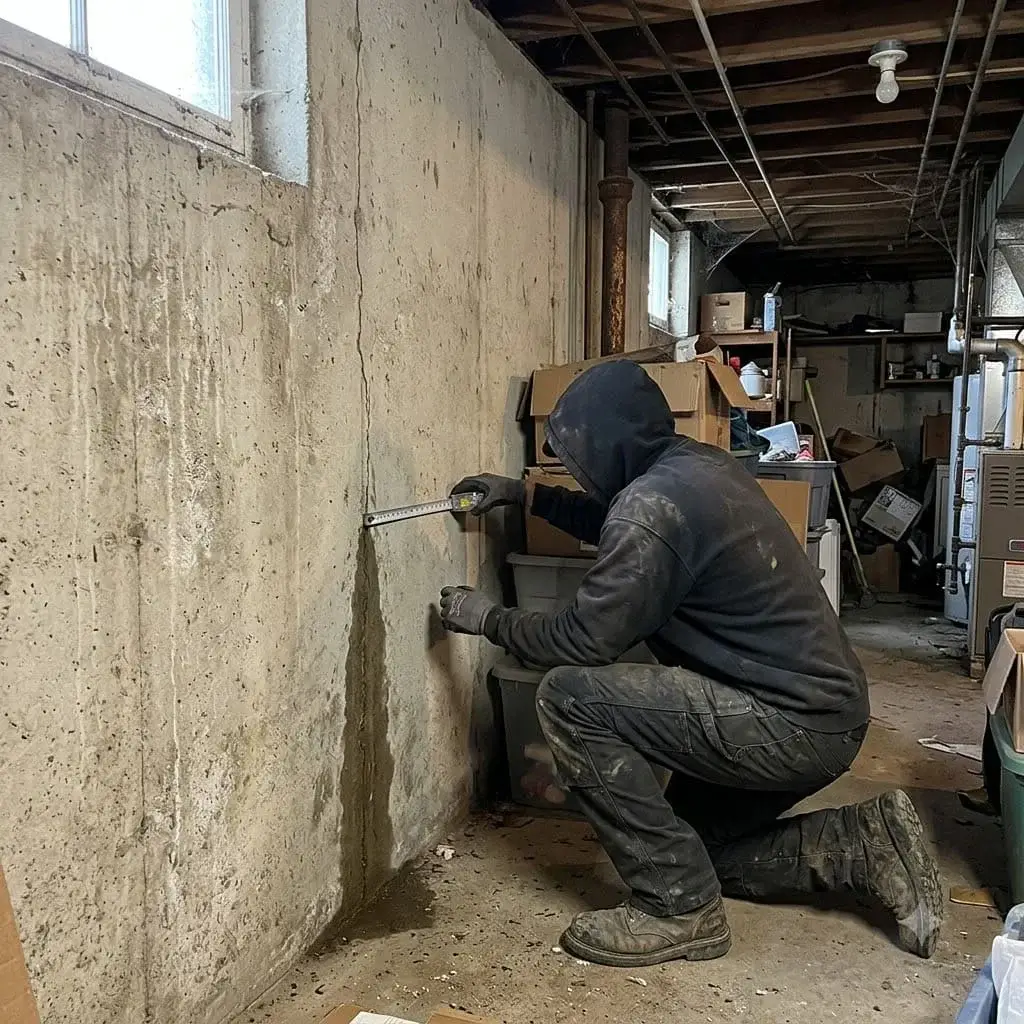
Types of Basement Wall Problems
Basement wall problems fall into a few recognizable patterns, and each one points to a different cause and a different repair.
Vertical and diagonal cracks often come from settling or shrinkage. They are usually less serious, but they let water in, so they get sealed.
Horizontal cracks run along the wall, often near the middle, and they are a stronger warning. They usually mean soil pressure is pushing the wall inward, and the wall may be bowing.
Stair-step cracks follow the mortar joints in a block wall. They point to movement in the wall, from settling or from pressure on the outside.
Bowing or leaning walls have already moved inward. That is the most serious pattern, because the movement can continue.
How Cracks Are Repaired
Cracks that leak but are not tied to wall movement can usually be sealed from the inside. The crack is cleaned and injected with an epoxy or polyurethane material that fills it and bonds the two sides, stopping the water at the crack. Epoxy is rigid and restores strength. Polyurethane stays flexible and handles cracks that may shift a little. Crack sealing stops a leak, and it is not a repair for a wall that is still moving.
How Bowing Walls Are Stabilized
A wall that has moved needs something to hold it. The right method depends on how far it has bowed and what it is made of.
Carbon fiber straps are bonded to the wall and anchored at the top and bottom. They resist further inward movement and work well on walls with mild bowing. They hold the wall where it is. They do not pull it back.
Wall anchors use plates on the inside of the wall connected by a rod to an anchor set in stable soil farther out. They can be tightened over time and suit walls with more movement.
Wall replacement or rebuilding is the last resort for walls that have moved too far to stabilize.
An inspection measures the wall and shows which method fits. A good provider recommends no more than the wall needs.
Water Pressure Is Usually the Cause
Most wall problems start outside. Saturated clay-rich soil presses against the foundation, and that pressure builds in the months when the ground stays wet. In northeast Ohio, the USDA describes the Ellsworth series, a widespread glacial till soil, as having a subsoil that is 35 to 45 percent clay and a perched water table 11 to 24 inches below the surface from November to May in most years. Freeze-thaw adds to the load, since water in a crack freezes and widens it a little more each winter.
That is why a repair that only fixes the wall can fail if the pressure stays. Where it fits, wall repair is paired with interior drainage and a sump pump or exterior waterproofing so the wall is not asked to carry the same load again.
Cracks and Ohio's Mine Subsidence Coverage
Ohio requires homeowners policies in Trumbull County to include mine subsidence coverage through the Ohio Mine Subsidence Insurance Underwriting Association. Subsidence is ground movement from collapsing abandoned mines, and it is a different cause from water pressure, though both can show up as cracks and shifting walls. If you cannot tell which one you are seeing, call 330-642-8514 and a local provider will go through it with you before any work starts. That coverage does not deal with water in a basement.
What to Look for in a Provider
- Warren-specific experience. Soil, water, and older foundations work together to crack walls in Trumbull County, and the plan should reflect that.
- A measured inspection. The amount of bow gets measured and the crack pattern identified before a method is named.
- A written scope of work. The scope names the method, the number of straps or anchors, their spacing, and the wall sections covered.
- The cause addressed too. The scope should say whether drainage or exterior work goes in alongside the repair so the pressure does not return.
- Proof of insurance. Ohio licenses the electrical, plumbing, and HVAC trades at the state level, not foundation repair, so general liability coverage, workers compensation, and any local contractor registration are what to verify.
- The right-sized repair. A sealed crack stays a sealed crack, and a moving wall gets stabilized. One should never be sold in place of the other.
Work is performed by independent professionals. Permit rules differ between the City of Warren and the surrounding townships, so the local building department requirements are confirmed before work starts.
Frequently Asked Questions
Is a crack in my basement wall serious?
It depends on the type. Thin vertical cracks from shrinkage are usually minor, though they can leak. Horizontal cracks, stair-step cracks in block, and cracks that widen over time are more serious, since they point to the wall moving. A wall that is bowing inward needs attention soon. An inspection tells you which kind you have.
Can a bowed basement wall be pushed back straight?
Carbon fiber straps hold a wall where it is and stop further movement, but they do not straighten it. Wall anchors can be tightened gradually to pull a wall back toward straight, within limits. How far a wall can be corrected depends on how much it moved and what it is made of. The inspection should set out what to expect.
How is a leaking crack fixed?
The crack is cleaned and injected with epoxy or polyurethane to fill it and stop the water. Epoxy bonds the two sides rigidly, and polyurethane stays flexible for cracks that may shift. Injection stops the leak, but it does not stabilize a wall that is still moving, so the wall gets checked for movement before injection is recommended.
Will fixing the wall stop water from coming in?
Repairing the wall helps, but the water pressure outside is often the cause, and that pressure stays unless it is addressed. Wall repair is often paired with interior drainage or exterior waterproofing so the repaired wall is not asked to hold back the same load. The inspection shows which combination fits.
Is wall damage covered by homeowners insurance?
Standard homeowners policies generally exclude damage from soil pressure and groundwater. Ohio requires mine subsidence coverage in Trumbull County policies, which applies to ground movement from old mines, not water. Read your policy and ask your insurer about what is covered, because it differs from policy to policy.
How do I know if the cause is water or ground movement from mines?
Water pressure and mine subsidence can both crack walls, and they are hard to tell apart without an inspection. Water pressure usually shows up as leaks, damp walls, and cracks near the floor, while subsidence tends to move a whole structure. If you are not sure, call 330-642-8514 and a local provider will go through what you are seeing before any work starts.
Call Now for Basement Wall Repair in Warren
For basement wall repair in Warren, call 330-642-8514 to reach a local provider. See the contact page or the full service area.