
Warren & Trumbull County, Ohio
Basement Waterproofing in Warren, Ohio
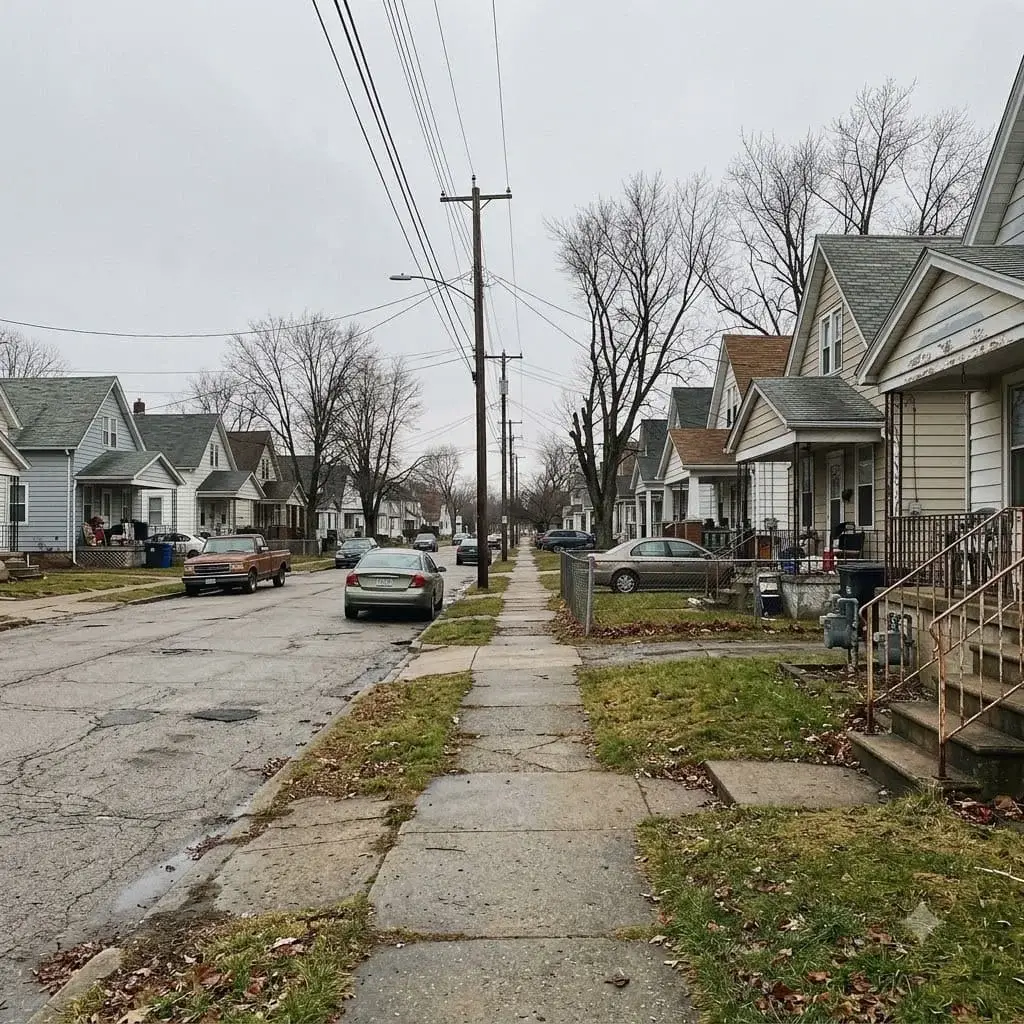
Basement waterproofing in Warren, Ohio deals with foundations that mostly predate the practice, since about 63% of occupied homes here were built before 1960 and nearly 4 in 10 date to the 1940s and 1950s. Those foundations sit in northeast Ohio glacial till that holds water, and the Warren area takes about 41 inches of rain and snow a year. Call 330-642-8514 to reach a local basement waterproofing provider.
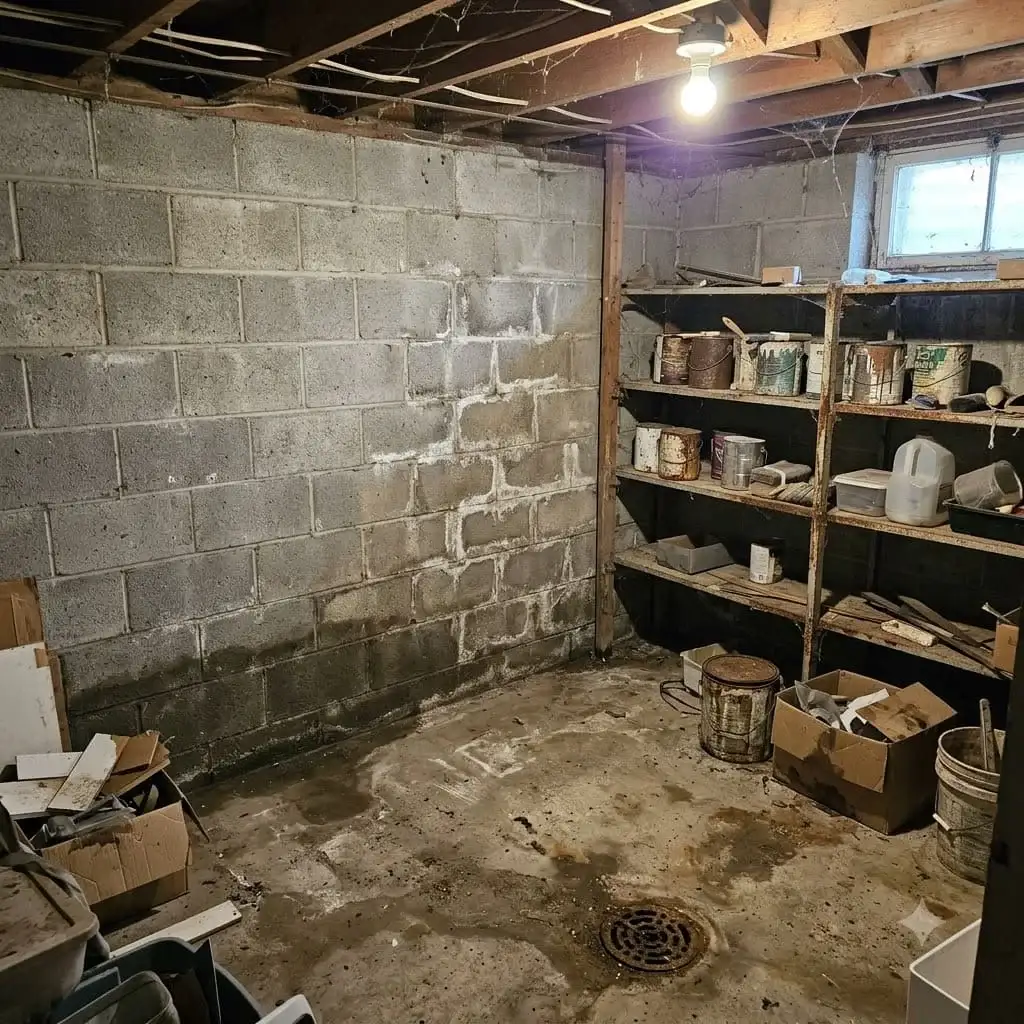
A wet basement comes down to water pressure. Rain and melting snow soak the ground around the foundation, the soaked ground pushes against the walls, and that pressure forces water through cracks, mortar joints, and the seam where the wall meets the floor. Paint and surface sealers fail because the pressure behind them stays. A working system takes the pressure off the wall and gives the water a path out.
Basement Waterproofing Services in Warren
Basement waterproofing services in Warren are chosen by where the water comes from and how the foundation was built, because water enters these basements in a few different ways.
Interior drainage and sump pumps catch water that gathers inside along the floor joint. Installers cut a channel in the slab beside the footing, lay perforated pipe in gravel, and run it to a sump basin where the pump sends the water outside. On block walls, weep holes drilled in the bottom course let water inside the block drain into the system instead of sitting in the wall. It is the least disruptive method, and it can go in during any season. Interior drainage and sump pumps
Exterior waterproofing stops water that is pushing against the wall from the soil. The work digs down to the footing, cleans the wall, and applies a membrane with exterior drainage. It is a bigger job, and it is the right one when the water has to be stopped before it reaches the foundation. Exterior basement waterproofing
Wall repair covers cracked and bowing walls where soil and water pressure have pushed the foundation. Depending on how far a wall has moved, the repair is a sealed crack or a wall stabilized with anchors or carbon-fiber straps. Basement wall repair
Crawl spaces, window wells, and yard drainage are handled the same way. Crawl spaces get a moisture barrier and drainage, window wells get drains and covers, and yard drainage carries roof and surface water away from the house.
Work is performed by independent professionals. Every project starts with an on-site inspection and a written scope of work before anything begins.
Why Warren Basements Take On Water
The soils of northeast Ohio formed in glacial till, a dense mix of clay, silt, and rock left by the glaciers. The USDA describes the Ellsworth series, a widespread glacial till soil in northeastern Ohio, as having a subsoil that is 35 to 45 percent clay, with a perched water table 11 to 24 inches below the surface from November to May in most years. Clay holds water, so rain collects against a foundation wall instead of draining away. Around Warren, about 41 inches of precipitation and about 28 inches of snowfall a year keep that ground wet for most of the cold season, and wet ground is what pushes water through a wall.
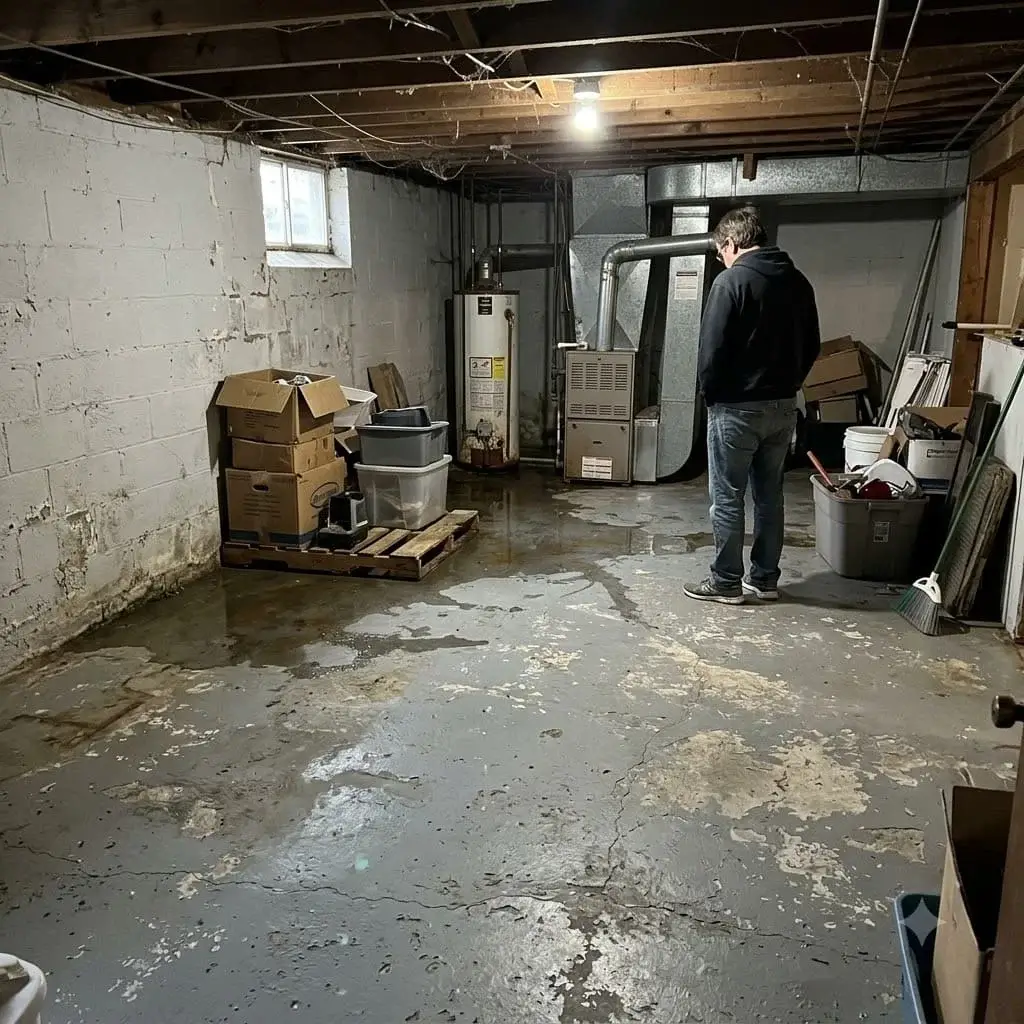
Warren's housing adds to it. Census figures show about 23% of occupied homes were built in 1939 or earlier and about 40% in the 1940s and 1950s, which puts roughly 63% of them before 1960. Basements from those decades went in before modern waterproofing, and the mortar joints in older block and stone walls are the first place water finds its way in.
The Mahoning River has also put Warren under water. In March 1913 it wrecked much of downtown Warren, and the Flats on the southwest side was hit especially hard. A basement near the river faces its own risk on top of the soil, and a thorough inspection covers both.
Winter works on the walls too. Water that gets into a crack or mortar joint freezes, expands, and opens the gap a little more, and each thaw lets in more water. A hairline crack in November is often a steady leak by spring.
Ground Movement and Older Foundations
Ohio lists Trumbull County among the counties where homeowners policies must include mine subsidence coverage through the Ohio Mine Subsidence Insurance Underwriting Association. Subsidence is ground movement, which is separate from everyday water pressure, but both show up as cracks and shifting walls in older foundations. If a wall in your Warren home has cracked or moved, call 330-642-8514 and a local provider will go through what applies before any work starts.
Signs You Need Basement Waterproofing
A wet basement tends to show itself in stages. These are the signs to watch for in a Warren home:
- Standing water or damp patches on the floor after rain or snowmelt
- A tide line or staining along the bottom of the walls
- White, chalky residue on block or concrete, called efflorescence
- A musty smell that lingers even when the floor looks dry
- Cracks in the walls or floor, especially ones that widen over a season
- Walls that bow inward or lean
- Rust on appliances, or warping on anything stored against a wall
One sign is worth watching. Several together mean water has found a way in, and tracing it early keeps the repair small.
What to Look for in a Provider
- Warren-specific experience. The plan accounts for Trumbull County's older foundations, its clay soil, and the river valley, not a one-size script.
- An inspection before a method. A provider measures the wet stretch of wall, checks the grade and the downspouts outside, and looks for movement in the walls before naming a system.
- A written scope of work. The scope names the method, states how many feet of wall or floor edge the work covers, shows where the sump pump discharges, and says whether a battery backup is included.
- Proof of insurance. Ohio licenses the electrical, plumbing, and HVAC trades at the state level, not basement waterproofing, so general liability coverage, workers compensation, and any City of Warren or township contractor registration are what to verify.
- A written warranty. It lists what is covered, for how long, and who stands behind it.
- Permit responsibility in writing. The scope says who pulls any permit the job needs.
- The right-sized fix. Interior drainage, exterior work, or wall repair, and nothing the foundation does not need.
How the Work Gets Done
- Step 1First, the inspection covers the basement and the foundation inside and out to find where water enters and why.
- Step 2Second, the plan sets out the method and the scope the house needs.
- Step 3Third, installers do the work.
- Step 4Finally, the sump and the discharge get tested before the job is called done.
Permit rules differ between the City of Warren and the surrounding townships, so the local building department requirements are confirmed before work starts.
Areas Covered Around Warren
Basement waterproofing covers Warren and the rest of Trumbull County, including Howland, Niles, Girard, Cortland, Hubbard, Newton Falls, Champion, Lordstown, and Leavittsburg. See the full service area
For more detail on how these systems work, see the basement waterproofing guides.
Frequently Asked Questions
Why does my Warren basement leak after heavy rain?
Rain and snowmelt soak the clay-rich ground around the foundation, and the soaked ground pushes water through cracks, mortar joints, and the floor-wall seam. In older Warren homes, porous block walls and aging drain tile give the water the easiest way in. Surface sealers rarely last because the pressure behind the wall is still there, so a lasting fix takes the pressure off and sends the water to a sump.
Do I need interior or exterior waterproofing?
Interior drainage suits water that gathers inside at the floor joint, it is less disruptive, and it can go in any season. Exterior waterproofing is for water pressing against the wall from the soil, and it means digging down to the footing to seal the wall from outside. Many Warren homes do well with interior drainage, but an inspection settles which method the foundation needs.
Does homeowners insurance cover a wet basement?
Most homeowners policies exclude groundwater and gradual seepage, which cause most wet basements. Trumbull County policies must include mine subsidence coverage under Ohio law, but that covers ground movement from old mines, not water. Read your policy and ask your insurer about groundwater, sewer backup, and subsidence, because coverage differs from policy to policy.
Does basement waterproofing need a permit in Warren?
It depends on the job and on where the home sits, since the City of Warren and the surrounding townships each have their own building departments. A local provider confirms what the department requires for the specific work before it starts, and that check can be made for your address when you call 330-642-8514.
Which areas are covered?
Warren and Trumbull County, including Howland, Niles, Girard, Cortland, Hubbard, Newton Falls, Champion, Lordstown, and Leavittsburg. Call 330-642-8514 to confirm coverage for a specific address.
Call Now for Basement Waterproofing in Warren
For basement waterproofing in Warren, call 330-642-8514 to reach a local provider.