First, Make It Safe
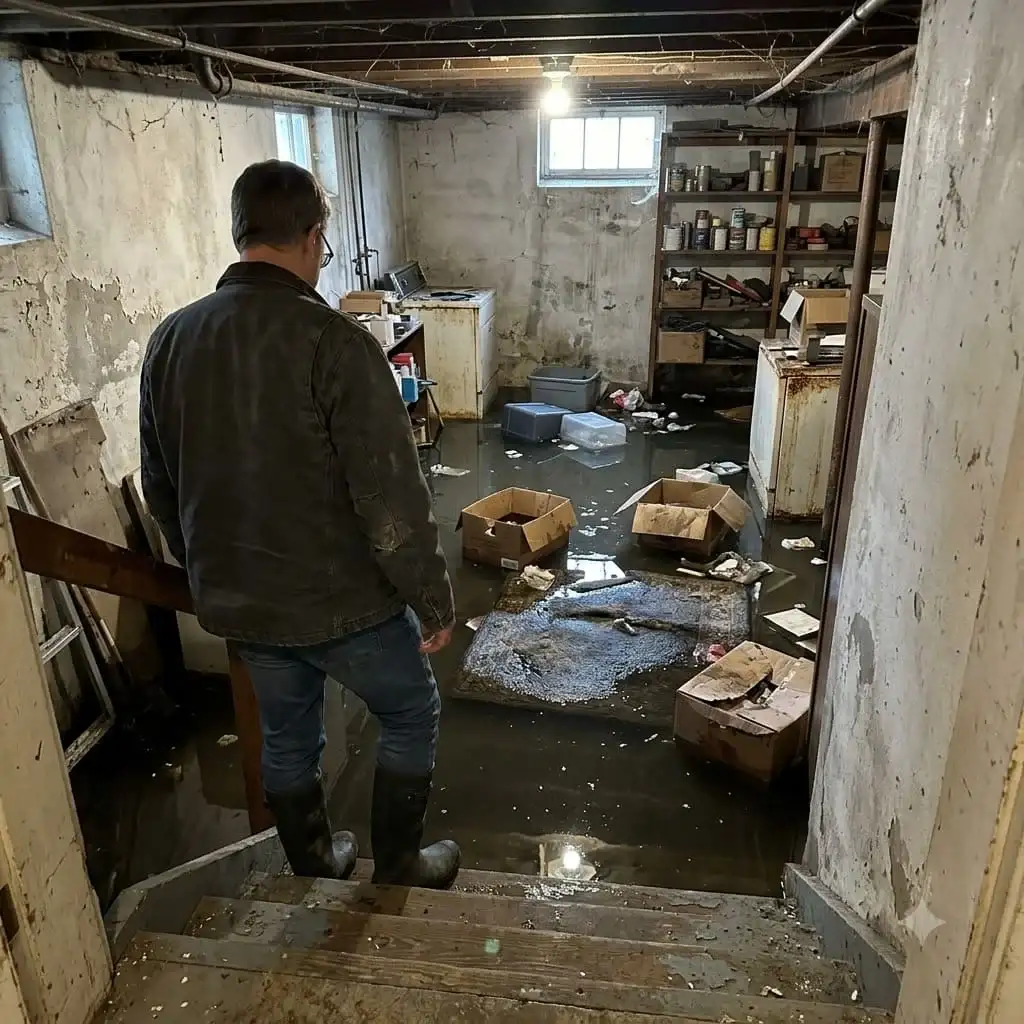
Safety comes before cleanup. Water in a basement can reach outlets, appliances, and the electrical panel, so stay out of standing water if anything electrical could be in it. If you can reach the main breaker without stepping into water, turn off the power to the basement. If you can't, call your utility or an electrician and wait. Don't use electrical equipment on a wet floor, and don't run a gas appliance that has been in the water.
Water that came up through a floor drain or toilet, or that smells like sewage, should be treated as contaminated. Keep children and pets out, wear gloves and boots, and plan on a professional cleanup for anything that touched it.
Find Out Where the Water Came From
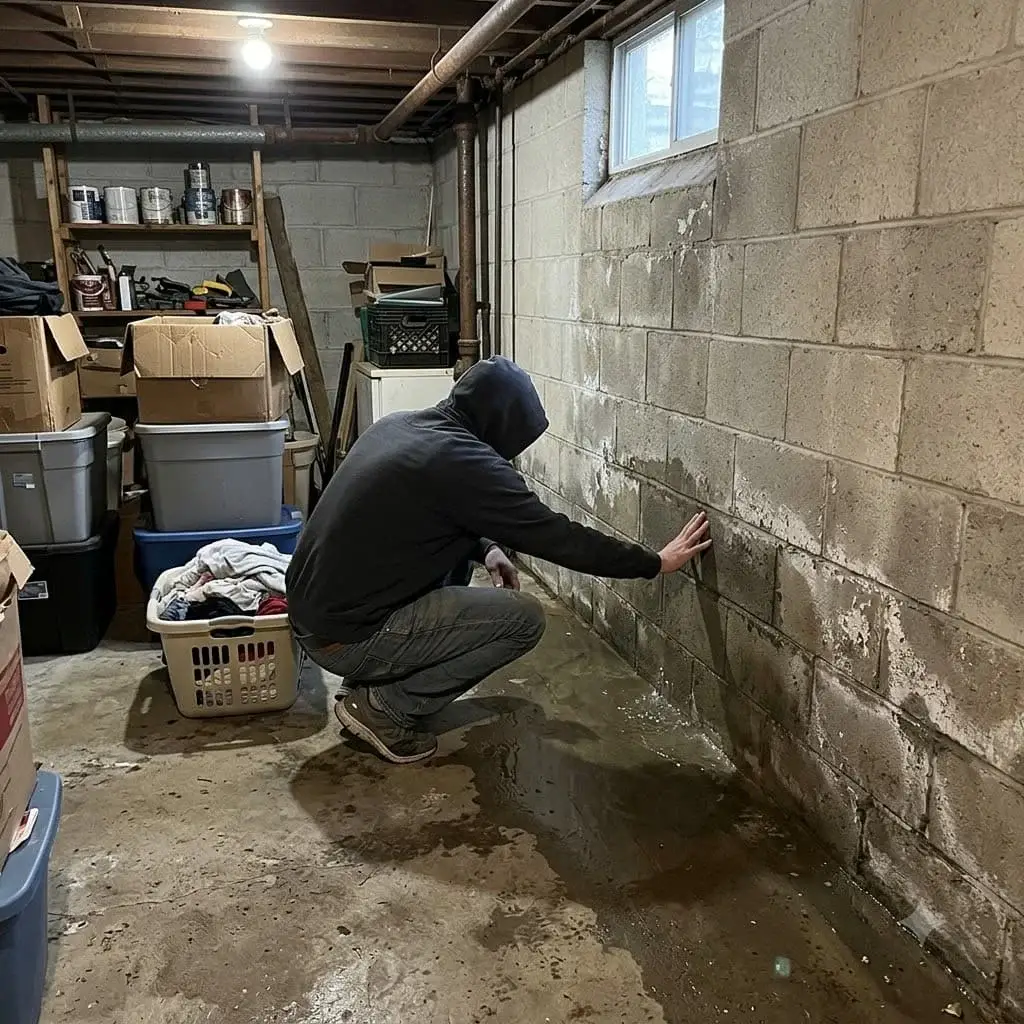
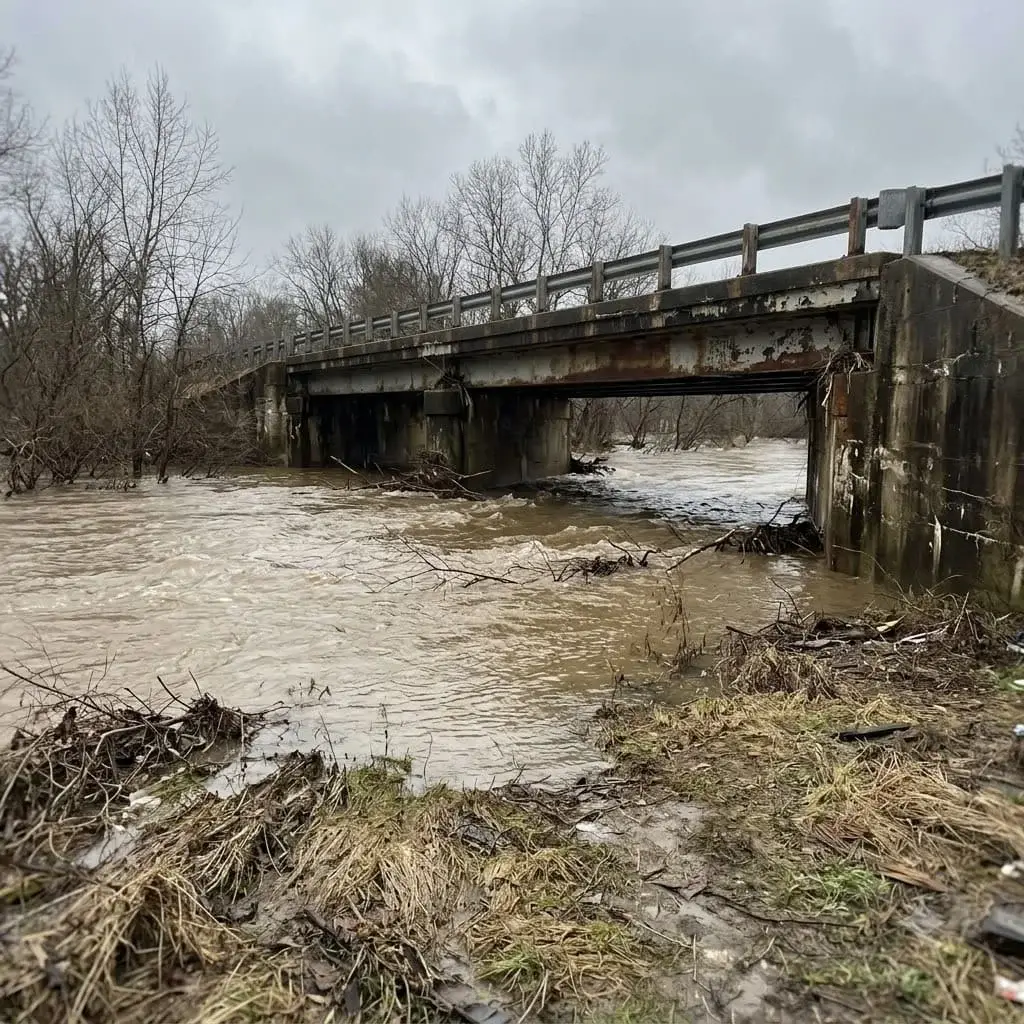
The source decides what happens next. Water seeping through the walls and floor after heavy rain is groundwater, which is the usual cause in Trumbull County. A burst pipe or failed appliance is an internal plumbing leak. Water rising through the drain is a backup. Note what you see before anything changes, because it affects both the fix and any insurance claim. Our guide to why basements leak after rain explains the common patterns.
Document the Damage
Take photos and video of the water, the damage, and anything that was wet, before you move or throw out anything. Write down when the flooding started and what you did. Keep receipts for pumps, fans, and cleanup supplies. Insurers ask for this, and it's much easier to collect it at the beginning than to reconstruct it later.
Remove the Water
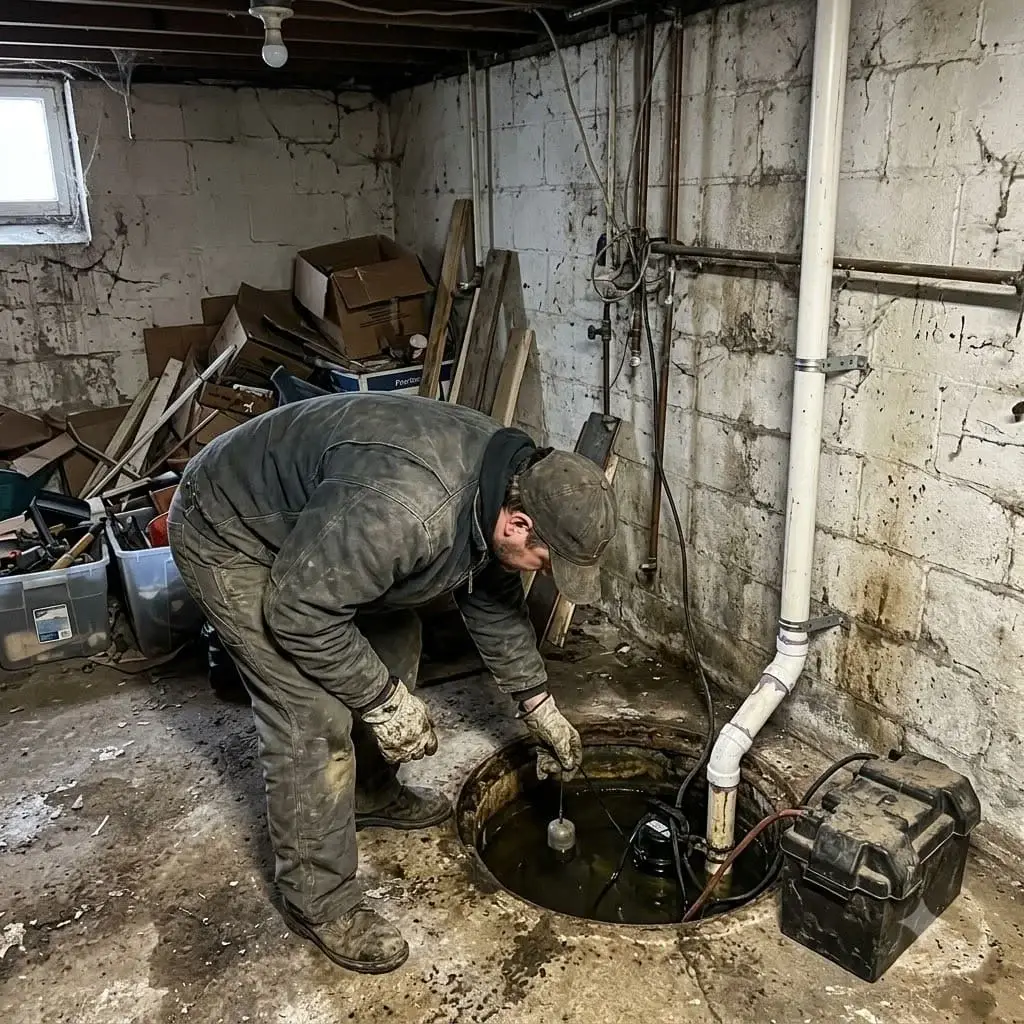
Get the water out as soon as it's safe. A sump pump may already be working. If it isn't, or can't keep up, a wet-dry vacuum or a submersible pump can lower the level. Pump a deep flood down in stages and not all at once, because wet soil outside pushing against an empty basement wall can crack or move the wall. If the water is more than a few inches deep or keeps coming in, a professional has the equipment to handle it.
Start Drying Right Away
Drying fast is what keeps mold away. Run fans to move air across wet surfaces, run a dehumidifier to pull moisture from the air, and open windows if the outside air is dry. The EPA advises throwing away anything wet with flood water that can't be cleaned and dried completely within 24 to 48 hours. That usually means soaked carpet, padding, and cardboard, which hold water and feed mold. Move salvageable items out of the wet area and up off the floor.
Cleaning Up Safely
Wear rubber gloves, boots, and at least an N-95 respirator when you handle wet materials or mold. Wash hard surfaces with detergent and water and dry them completely. Don't mix bleach with ammonia, because the vapors are toxic. The EPA says a moldy area smaller than about 10 square feet is generally manageable for a homeowner, and larger areas, or any area wet with sewage, should go to a professional.
Call Your Insurer
Call your insurance company early and ask what is covered. Water from a sudden internal source, like a burst pipe, is often covered, while groundwater and sewer backup usually aren't unless you have added coverage. Ask before you throw out damaged items, and keep them until the adjuster has seen or approved disposal.
Then Fix the Cause
Pumping and drying handle the flood that happened, and they don't stop the next one. If the water came in through the walls or floor, the lasting fix is a drainage system that removes the pressure and carries the water away. Interior drainage with a sump pump handles most cases, and a battery backup keeps it running when a storm takes the power. When the water pushes in across a whole wall, exterior waterproofing may fit better.
Frequently Asked Questions
What should I do first when my basement floods?
Make it safe first. Stay out of standing water if electricity could be involved, shut off power to the basement only if you can reach the breaker without stepping in water, and keep people and pets away from sewage-contaminated water. Then find the source, photograph everything, and start removing water. Call your insurer early, and call a professional if the flooding is deep or keeps coming.
How soon do I need to dry out a flooded basement?
The EPA advises drying a flooded area within 24 to 48 hours, and treating it as if mold is growing if that isn't possible. Remove the water, run fans and a dehumidifier, and throw out wet materials that can't be dried completely, such as carpet, padding, and cardboard. The faster the basement dries, the less mold gets a start.
Is it safe to pump all the water out at once?
Pumping a deep flood out all at once can be risky, because saturated soil outside the wall keeps pushing while the basement is empty, and that pressure can crack or shift the wall. Lowering the water in stages is safer. If the flood is deep, or the water keeps rising, a professional can pump it down in controlled steps.
Will homeowners insurance pay for a flooded basement?
It depends on the source. Sudden internal water, like a burst pipe, is often covered. Groundwater and sewer backup are usually excluded unless you've added coverage, and flood insurance is a separate policy. Read your policy and call your insurer before you throw anything out.
How do I stop my basement from flooding again?
Stopping a repeat flood means treating the cause. For groundwater, that is an interior drainage system with a sump pump and battery backup, or exterior waterproofing when water presses against the whole wall. Moving downspouts away from the foundation and regrading the soil helps too. An inspection finds where the water enters and what the basement needs.